
What kind of VIP Corporate Subsidies Are Available in 2026 for Business Service Centres in Hungary?
In 2026, several VIP Corporate Training & Investment Subsidies will continue to help companies establish new business service centres in ...
In 2026, several VIP Corporate Training & Investment Subsidies will continue to help companies establish new business service centres in ...
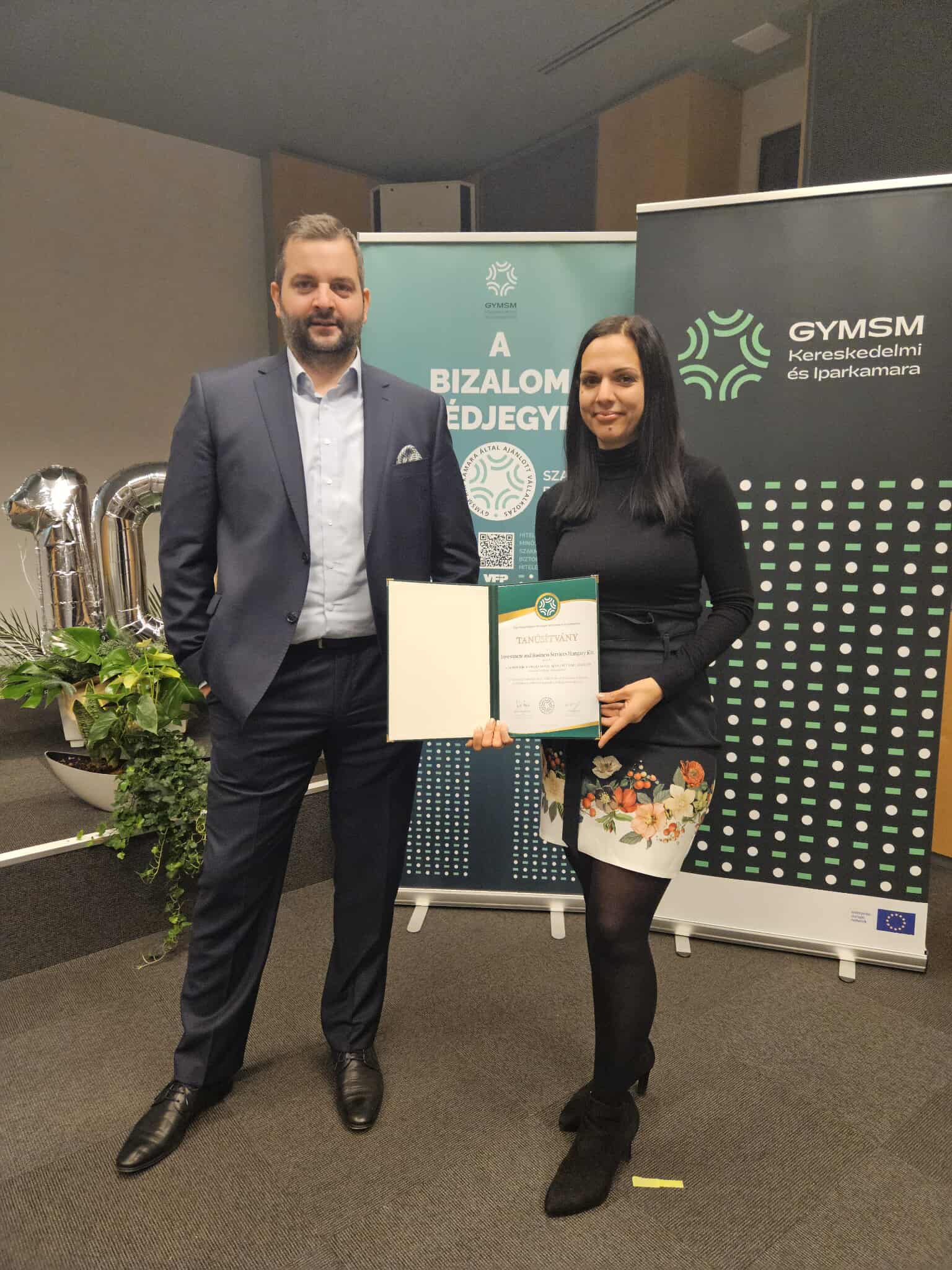
On 20 november 2025, IBSH received the “Chamber-Recommended Enterprise” certification for 2026 from the Győr-Moson-Sopron County Chamber of Commerce and Industry (GYMSMKIK), being a recognised Incentives Advisory Firm in Hungary. This distinction acknowledges advisory firms that demonstrate consistently high professional standards, reliability, and quality in serving businesses. In its decision, the Chamber highlighted IBSH’s comprehensive service portfolio and the professional excellence we bring to supporting clients in their development and investment projects. Our work is grounded in transparency, an approach centred on client value, and efficient project delivery all of which were considered key strengths during the qualification process. A major factor in earning this recognition was IBSH’s ability to support companies throughout the entire development lifecycle with high-level expertise. Our funding advisory services cover every stage—from concept development to project closing including mapping investment incentives, project preparation, application development, full-scope project management, and additional specialised tasks such as R&D qualification, adult training-related administration, and compliance. Our team brings more than a decade of experience across EU ...
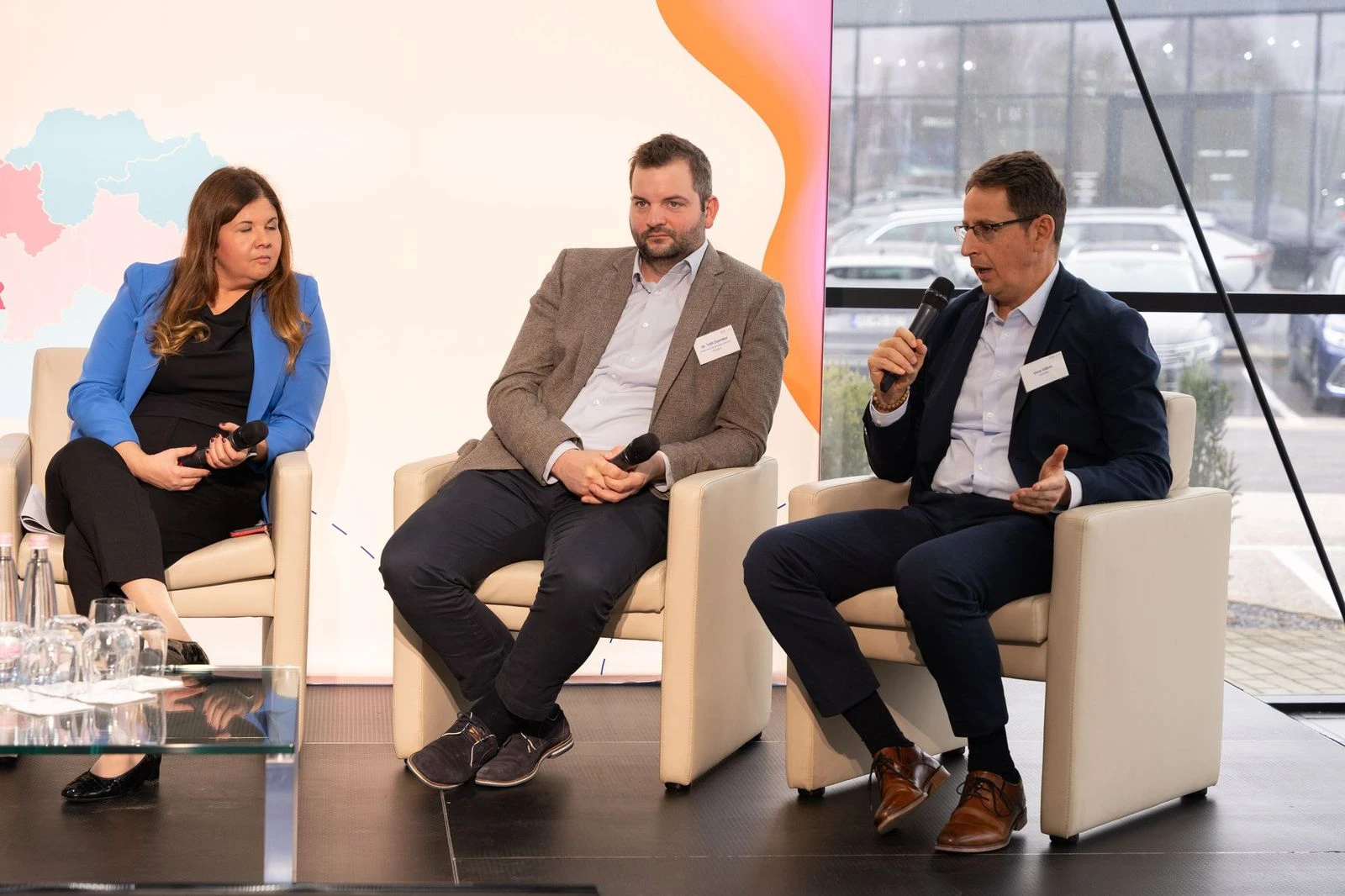
At the JVSZ – Country Ride event on 14 November 2025 in Szolnok, our Managing Director, Dr. Zsombor Tóth, represented IBSH as a panelist in the professional roundtable discussion titled “Development Funding and Efficiency Enhancement.” The session focused on the investment incentives and development opportunities that will play a critical role in the growth and planned investments of Hungarian Small and Medium-sized Enterprises over the coming years. The conversation addressed several key questions, including: Dr. Tóth Zsombor discussed these issues alongside recognised experts such as Orsolya Kurucz (ATS Advisory), Bernadett ...
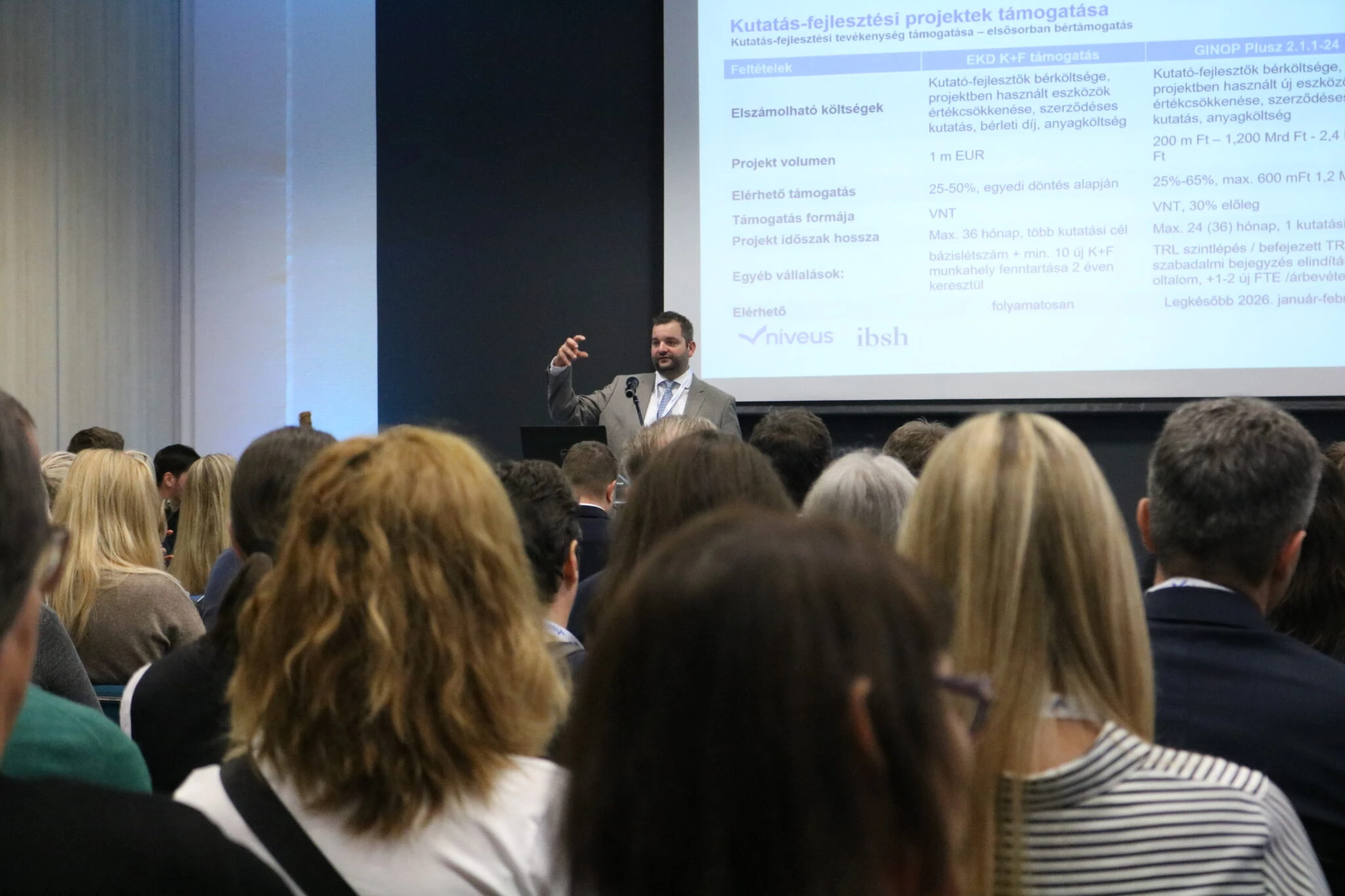
Representing IBSH, our Managing Director, Dr. Zsombor Tóth, delivered a professional presentation on the latest investment incentives and funding schemes currently available for Hungarian businesses at the client seminar hosted by Niveus Consulting Group. His presentation focused on how companies can identify and select those investment grant and financing structures that genuinely support their strategic objectives and long-term development plans. During the session, Dr. Tóth Zsombor highlighted that the domestic funding landscape offers a wide range of instruments that can effectively accelerate business growth, technological upgrades, and innovation. The presentation covered several key opportunities, including: The event also provided a valuable opportunity to share IBSH’s hands-on experience in the effective preparation and management of investment grants, equipment-acquisition tenders, and other development-focused funding opportunities. For more information on currently available programmes, please visit our website or contact our team for tailored, project-specific guidance.

The Research and Development (R&D) certification in Hungary is a procedure that helps companies officially recognize their R&D projects. This certification, issued by the NRDIO (National Research, Development and Innovation Office), not only provides professional credibility but can also offer tax and financing benefits. So, how does the process work, and why might it be crucial for a company? Why it is important to have an R&D Certification in Hungary? Several state and European Union grants are only available for projects that can be proven to qualify as research and development activities. ...

Minister of National Economy Márton Nagy has announced that the Demján Sándor SME 1+1 Investment Incentive Scheme will soon be available again, providing significant development resources to domestic micro, small and medium-sized enterprises (SMEs). The program also funds the purchase of new technological equipment, information and communication developments, renewable energy sources, software, and commercial vehicles. What is eligible for ...
Investment and Business Services
Hungary Kft.
Tax number: 32425897-2-13
1139 Budapest, Forgách street 11.
Do not miss the latest tenders and grants.
"*" indicates required fields


