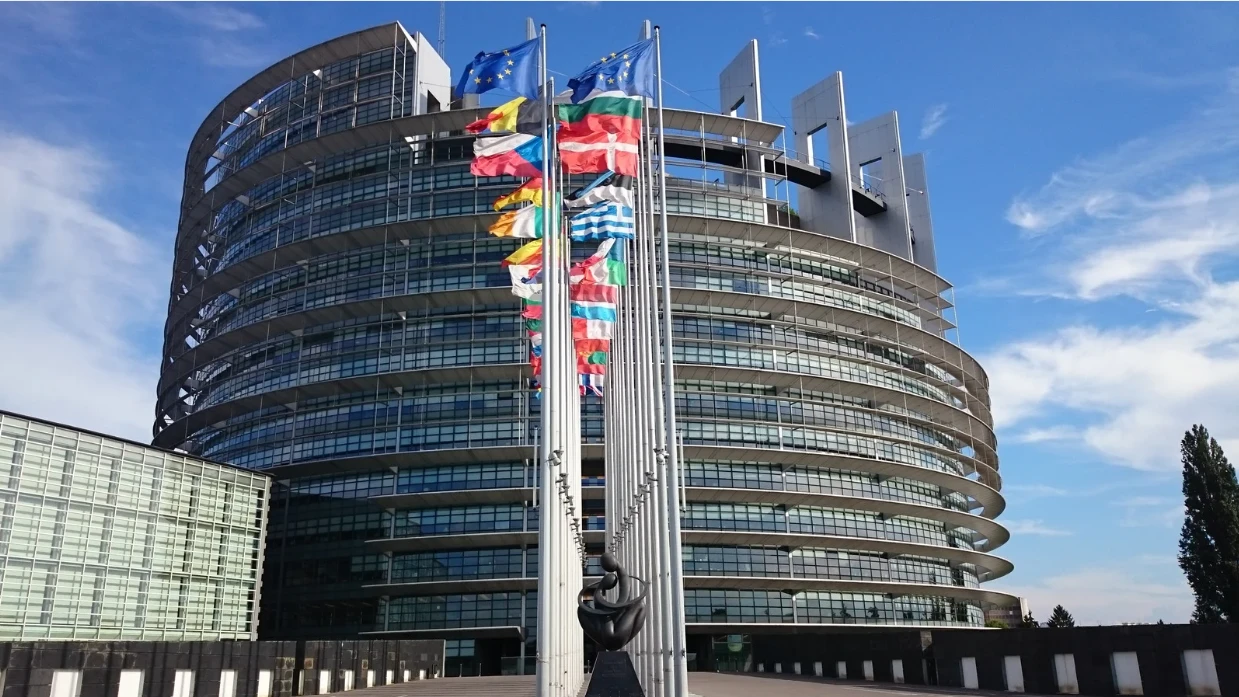
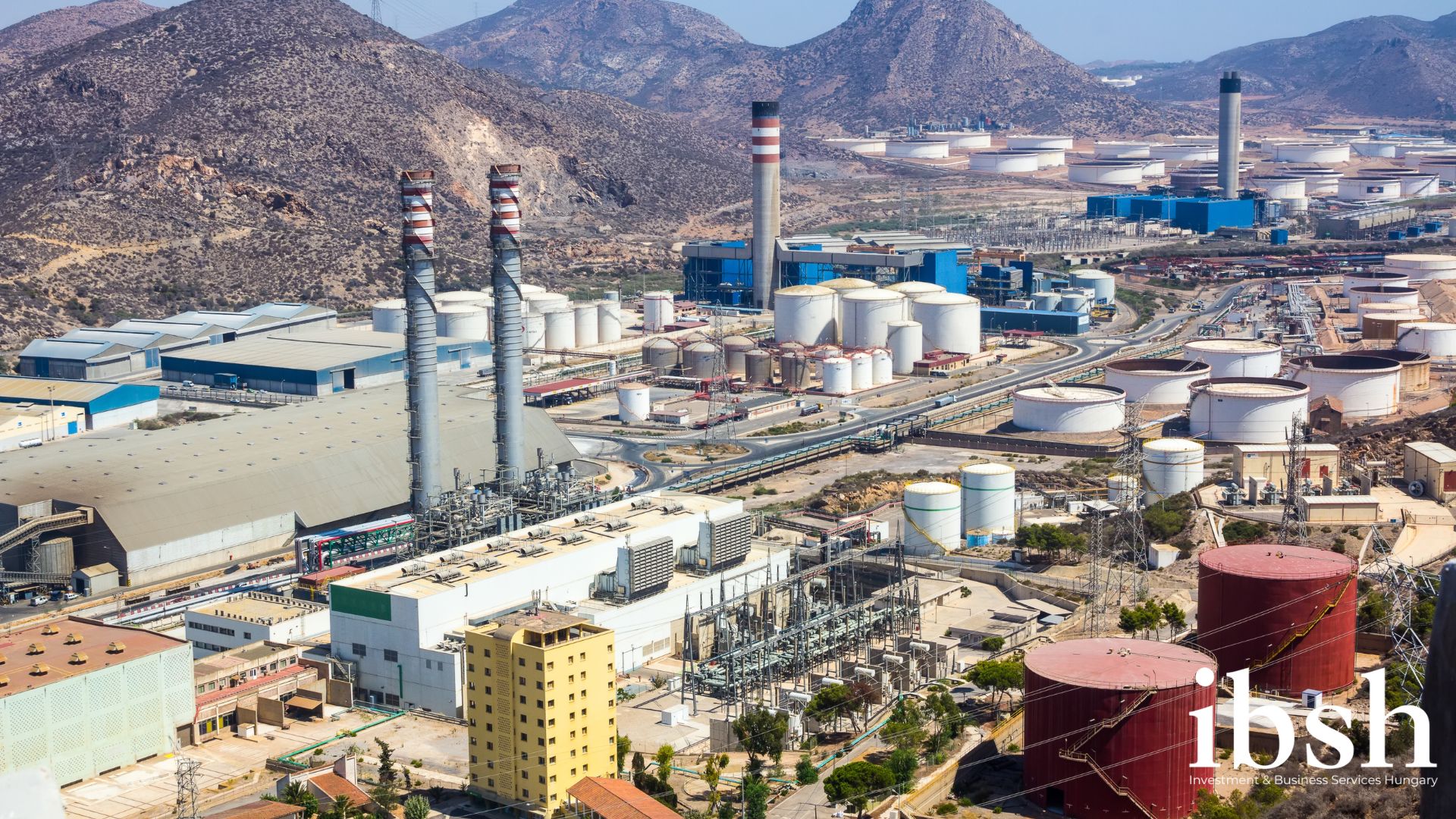
On June 25, 2025, the European Commission adopted the Clean Industrial State Aid Framework (Clean Industrial State Aid Framework, „CISAF”), which allows Member States to accelerate the green transition of the manufacturing industry, the spread of clean energy and technology, and the decarbonization of the sector through targeted state aid. How long can Member States continue to introduce state aid to support the green transition? CISAF will apply until the end of 2030, replacing the temporary crisis and transition framework (TCTF) currently in force, and will provide long-term predictability for businesses and investors. The entry into force of CISAF does not mean that these funds will automatically be available to businesses, as it is now up to Member States to launch their own state aid programs that fit within the framework. What are your main focus areas and what level of grant can be requested? Within the framework of CISAF, the European Commission has defined the conditions for state aid and the level of grant that can be provided in several priority areas, such as the promotion of renewable energy, the introduction of low-carbon fuels, the transition to non-fossil fuels, industrial decarbonization, and investment funding for clean manufacturing technologies. ...
The vast majority of greenfield investments in Hungary are concentrated in the battery and automotive industries. What Is a Greenfield Investment? A greenfield investment refers to a project that involves building an entirely new facility on previously undeveloped land. Unlike brownfield investments, which expand or modify existing infrastructure, greenfield projects start from scratch—constructing new manufacturing plants, warehouses, logistics hubs, or any production or service facility. These developments require significant capital, have long-term horizons, and bring substantial economic and social impact by creating jobs, developing infrastructure, increasing local tax revenues, and reshaping the structure of Hungary’s manufacturing sector. Where Is Investment in Hungary Most Active? Between 2020 and 2025, 64 companies announced greenfield investments in Hungary totaling over €21 billion. Several of these projects are set to begin operations by late 2025 or early 2026. Pest County (including Budapest) leads in the number of investments, with 19 companies choosing this logistically advantageous region. It’s followed by Hajdú-Bihar County with 10 investments and Borsod-Abaúj-Zemplén with 7. ...
Recent economic challenges have forced many companies to rethink their plans. However, these changes affect not only business strategies but also the use and usability of previously awarded investment funding. This year, we have encountered numerous cases where our clients’ plans have significantly changed due to shifts in the market environment, putting their funding at risk. Based on our experience, the following three factors are the most common reasons why companies become uncertain about whether they can actually utilize and retain their funding. The good news is that, with proper professional guidance, these situations can often be resolved—and the funding can usually be preserved. 1. Suspension or major restructuring of the investment Rapidly changing business priorities and evolving cost structures may lead to previously planned projects—such as real estate developments or large-scale asset acquisitions—being deprioritized. In such cases, it is crucial to reassess the funding agreement and reevaluate the project’s objectives. Key questions: In many cases, a compromise solution can be found that allows the funding to be retained—for example, by partially fulfilling the original objectives or incorporating new development elements that align with current business needs. 2. Difficulties in creating or maintaining committed jobs A decline in orders, reduced shifts, or downsizing of production capacity often leads to companies being unable to meet the headcount commitments set out in the funding agreement. This can be particularly critical during the maintenance period, when opportunities for modification are significantly limited. The key: proactive replanning In such cases, careful planning is essential: companies must assess how to remain compliant with legal and contractual requirements in a changed business environment and how obligations can be adjusted without jeopardizing the lawful use of the funding. 3. Changes in company structure: transformation, relocation, mergers Companies naturally respond to economic changes by consolidating sites, relocating operations, or restructuring ownership. However, these changes can significantly impact not only operations but also the validity of funding agreements and the fulfillment of commitments. In such situations, it is essential to ensure: A single missed notification or misinterpreted contractual provision can have serious consequences—in extreme cases, it may even lead to the repayment of already disbursed funding. At the same time, our experience shows that there is almost always a professionally sound solution that allows the funding to be retained, provided the changes are handled in ...
Starting from April 2025, a new type of VIP Cash Grant will be available, an Investment Incentive in Hungary, providing non-repayable funding for capacity-expanding investments or the creation of new facilities. The program aims to promote the growth of companies, support employment expansion, and encourage research and development. Who can apply? The new VIP Cash Grant, the Investment Incentive in Hungary is available for small and medium-sized enterprises (SMEs) and large enterprises, provided the investment is made in one of the following counties: Szabolcs-Szatmár-Bereg, Heves, ...
In the Prime Minister’s annual speech, it was announced that the government’s key goal is to increase manufacturing capacities, and therefore, 2025 has been declared the „Year of 100 New Hungarian Factories”. The Goal of the Initiative The initiative aims to strengthen Hungarian industry, create jobs, and further increase Hungary’s economic competitiveness. As part of this industrial development program, the government is offering various investment subsidies to assist companies in establishing new factories. Key Points from Péter Szijjártó’s Announcement Subsidy Programs Several subsidy programs will support the creation of the 100 new factories, offering opportunities to apply for funding for: For detailed conditions and further information, you may contact our colleagues.
The executive experts of Investment & Business Services Hungary contributed their perspective to an analysis on the current challenges and opportunities of the investment environment and investment incentives in Hungary, published in the BBJ Investing in Hungary magazine. In recent years, Hungary has set records in attracting foreign direct investment (FDI), particularly in the automotive and electronics sectors. However, the environment has now fundamentally changed: geopolitical uncertainty, declining European demand, and increasing regional competition are shaping the new realities. As investment advisors, we deal with these challenges on a daily basis. In the article, we shared what we consider critical for Hungary to remain competitive: from developing a skilled workforce to targeted incentives and ensuring appropriate industrial infrastructure. Below is an excerpt from the article published in BBJ Investing in Hungary. For full access to the article, we recommend purchasing the publication. Hungary Aims for a Larger Slice of ...
This website also uses cookies to provide you with a convenient user experience, to operate the website, to make it easier to use, to improve the website by analysing its use and to display relevant offers.
Cookies necessary for operation
Always active
Cookies that are essential for the proper functioning of the site.
Customize
Cookies that are essential for personalised settings.
Statistics
Cookies which are necessary to improve the operation and functionality of the site.Technical storage or access used exclusively for anonymous statistical purposes. Without a subpoena, the voluntary consent of your ISP, or additional records from third parties, information stored or retrieved solely for this purpose will generally not be used to identify you.