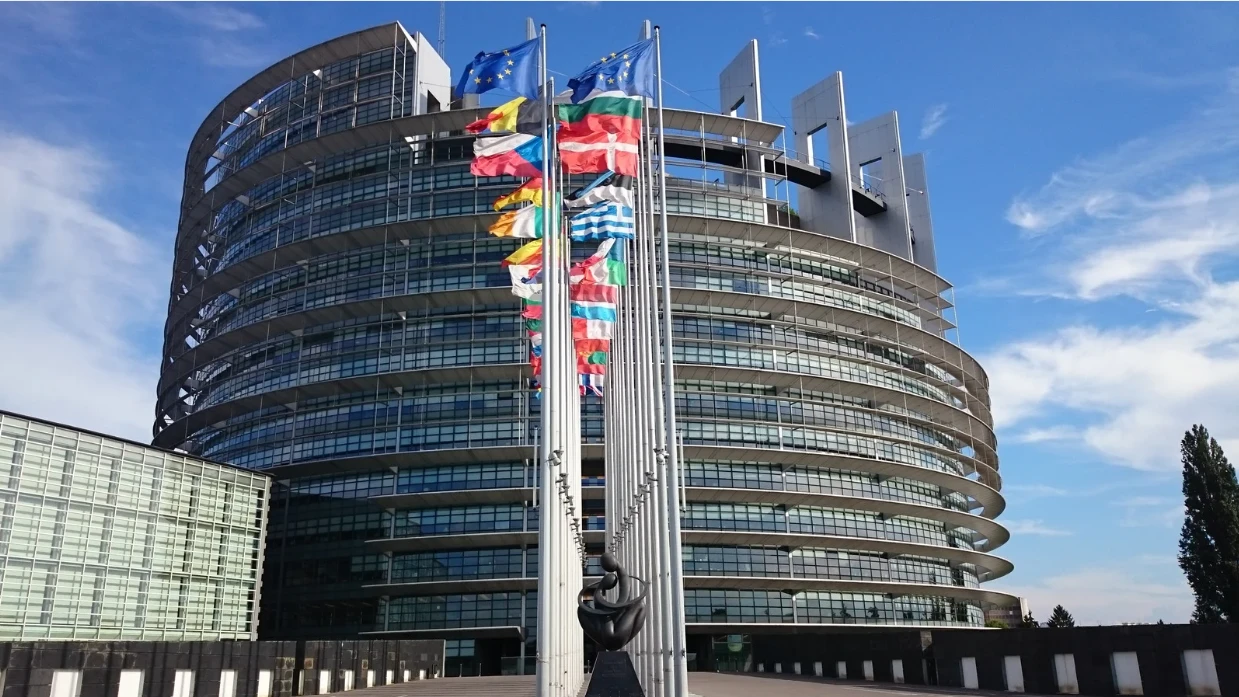
The European Commission has approved Hungary’s €4.1 billion Cleantech Investment Program (CISAF) in Hungary, a scheme aimed at expanding manufacturing ...
On June 25, 2025, the European Commission adopted the Clean Industrial State Aid Framework (Clean Industrial State Aid Framework, „CISAF”), which allows Member States to accelerate the green transition of the manufacturing industry, the spread of clean energy and technology, and the decarbonization of the sector through targeted state aid. How long can Member States continue to introduce state aid to support the green transition? CISAF will apply until the end of 2030, replacing the temporary crisis and transition framework (TCTF) currently in force, and will provide long-term predictability for businesses and investors. The entry into force of CISAF does not mean that these funds will automatically be available to businesses, as it is now up to Member States to launch their own state aid programs that fit within the framework. What are your main focus areas and what level of grant can be requested? Within the framework of CISAF, the European Commission has defined the conditions for state aid and the level of grant that can be provided in several priority areas, such as the promotion of renewable energy, the introduction of low-carbon fuels, the transition to non-fossil fuels, industrial decarbonization, and investment funding for clean manufacturing technologies. ...
The vast majority of greenfield investments in Hungary are concentrated in the battery and automotive industries. What Is a Greenfield Investment? A greenfield investment refers to a project that involves building an entirely new facility on previously undeveloped land. Unlike brownfield investments, which expand or modify existing infrastructure, greenfield projects start from scratch—constructing new manufacturing plants, warehouses, logistics hubs, or any production or service facility. These developments require significant capital, have long-term horizons, and bring substantial economic and social impact by creating jobs, developing infrastructure, increasing local tax revenues, and reshaping the structure of Hungary’s manufacturing sector. Where Is Investment in Hungary Most Active? Between 2020 and 2025, 64 companies announced greenfield investments in Hungary totaling over €21 billion. Several of these projects are set to begin operations by late 2025 or early 2026. Pest County (including Budapest) leads in the number of investments, with 19 companies choosing this logistically advantageous region. It’s followed by Hajdú-Bihar County with 10 investments and Borsod-Abaúj-Zemplén with 7. ...
This website also uses cookies to provide you with a convenient user experience, to operate the website, to make it easier to use, to improve the website by analysing its use and to display relevant offers.
Cookies necessary for operation
Always active
Cookies that are essential for the proper functioning of the site.
Customize
Cookies that are essential for personalised settings.
Statistics
Cookies which are necessary to improve the operation and functionality of the site.Technical storage or access used exclusively for anonymous statistical purposes. Without a subpoena, the voluntary consent of your ISP, or additional records from third parties, information stored or retrieved solely for this purpose will generally not be used to identify you.